· By Kohout Jan
How to handle the drawdown?!
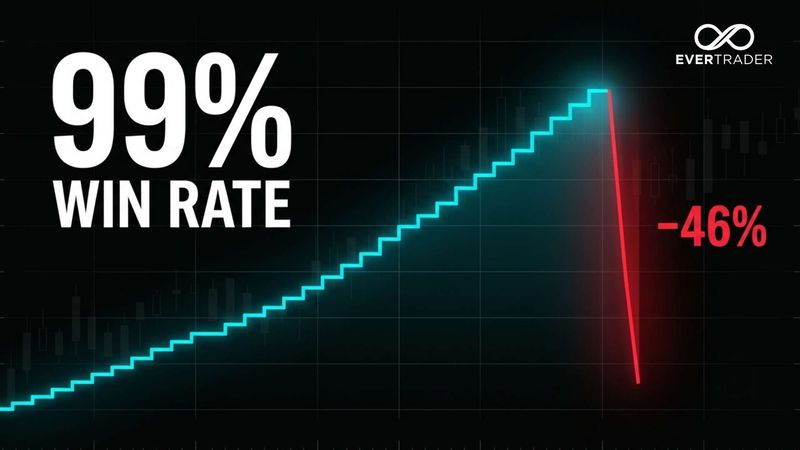
Every trader experiences it. A period when things don’t go well. The period when the charts don’t go according to plan, profits disappear and you watch the money slowly drain from your account. This period is called drawdown – and although it’s not talked about as much, it’s perhaps the most important test a trader can go through.
The difference between a successful and unsuccessful trader is not who avoids the drawdown – it’s, is how they react to it.. In this article, we’ll look at exactly what a drawdown is, why it’s perfectly normal, what the most common misreactions are, and how to keep a level head – including practical tools and plans that really work.
What is drawdown – and why not to be afraid of it
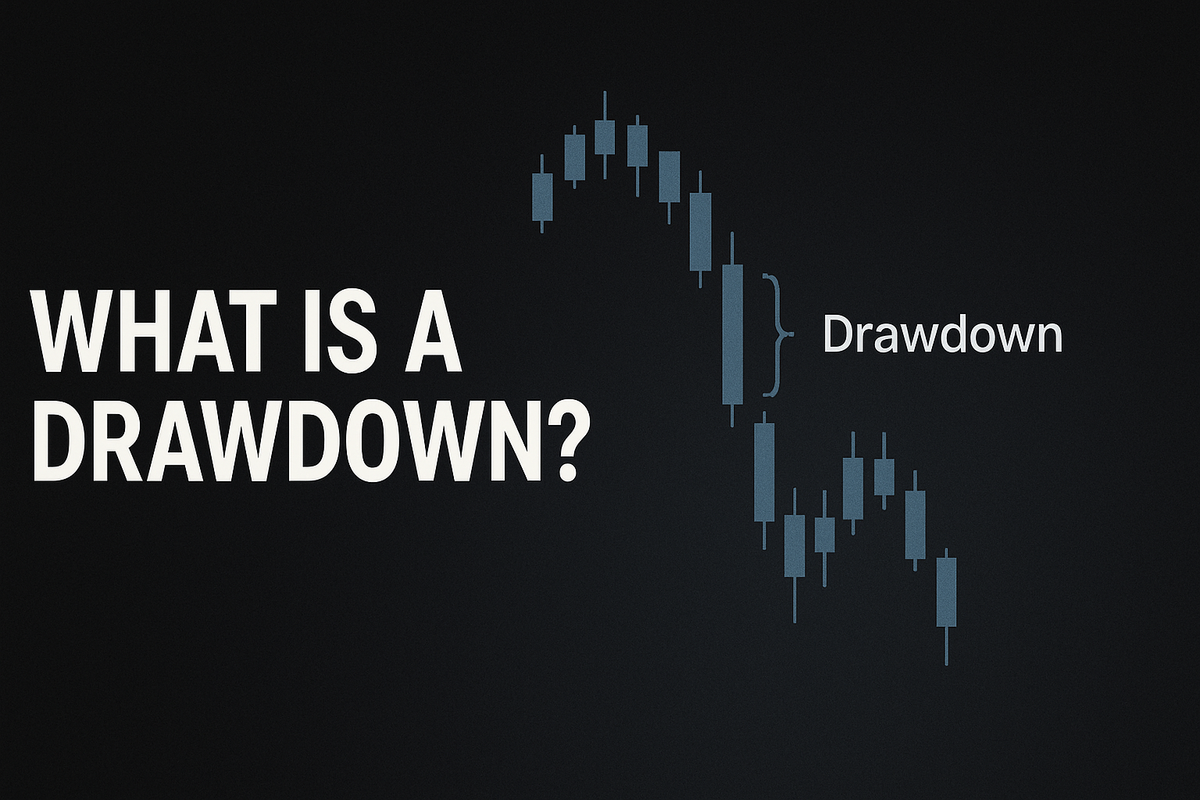
Drawdown means a drop in the value of the account since the last high. It is a period when you lose profits – or capital. Does that sound unpleasant? Yes. But it’s perfectly normal and statistically inevitable.
Even the best traders in the world – with decades of experience – have losing streaks. It’s not a sign of failure, but simply part of the trading statistics. Just as an athlete doesn’t win every game, a trader doesn’t win every trade. Accept it. It’s part of the game.
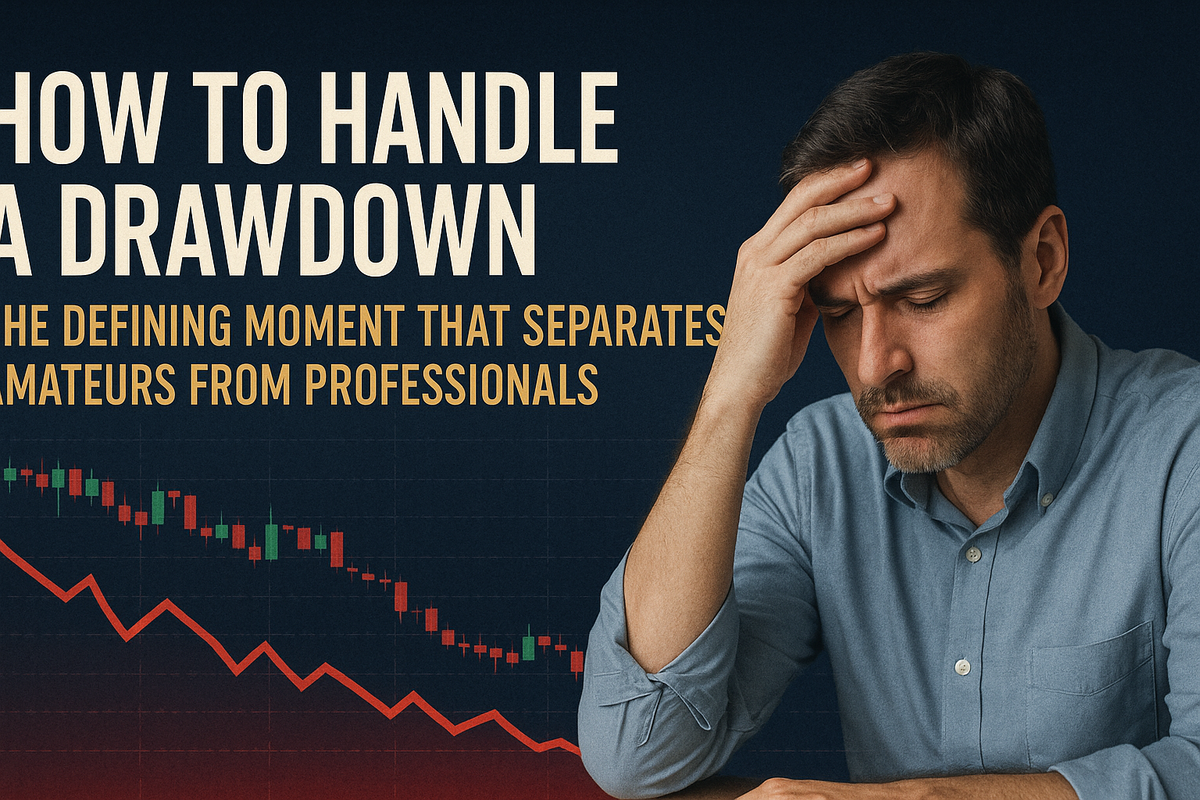
The greatest enemy? Your own reaction
Once you get into a series of losses, emotions come up. And it’s these that often lead to wrong decisions:
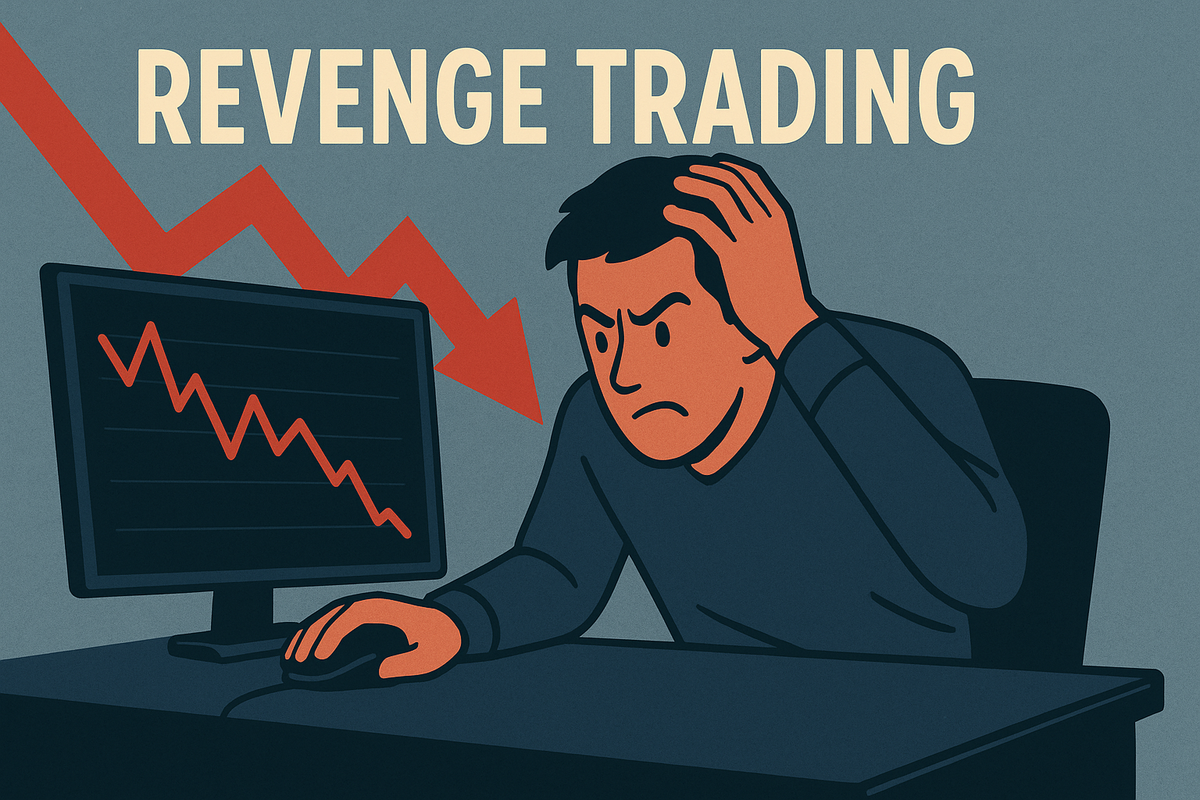
- Revenge trading: An attempt to immediately “take back” what you have lost. Often ends in another loss.
- Questioning the strategy: After a few losses, you start to change your approach, even if your system works in the long run.
- Impulse trading without a plan: Just to do something to “break it”.
These reactions are human – but absolutely toxic to the account. Emotions have no place in business decision-making. And this is where one of the most important elements of any professional approach comes in: Risk management and fixed loss limits..
Keeping loss limits is not a weakness. It’s a strategy.
One of the biggest differences between an amateur and an experienced trader is the ability to consciously stop when the market is not going favorably. Setting up and sticking to daily, weekly or overall loss limits is an essential tool of risk management.
For example: if you set a maximum daily drawdown of -3% and you reach that limit, you simply stop trading. Not because you “fail”, but because you protect your account, your psyche and your long-term performance.
This decision is part of the system – not a reaction to an emotion. Respecting these boundaries is a demonstration of discipline and professionalismnot weakness.
Mental tools to help you survive and come back stronger
Here are three mental techniques to help manage the drawdown:
- Normalization of losses: Remind yourself that losses are normal. Write them down, say them out loud, perceive them without prejudice.
- Separation of self-identity from results: You’re not a worse person or a worse trader because you’re at a loss. It’s a temporary condition.
- Return to data: Instead of emotions, go back to statistics. What is the normal volatility of a strategy? What drawdowns are included in the backtest?
Practical exercises: what to do right now
- Journaling emotions: After each day, record what you felt. As you keep a journal of your feelings over the days, you will gradually see patterns that repeat themselves.
- Pre-prepared crisis plan: For example, “If I reach -3% loss, I’m done for the day. Tomorrow I’ll just do a backtest or analysis.”
- Sharing with the community: Open conversation with other traders helps. You realize you’re not alone in this – and that it really is just a period.
Conclusion: a professional trader is not one who never loses
Losses are the reality of every trader. But how you react to them can determine whether your account survives – and grows – or ends up in the red.
Summary of key ideas:
- Drawdown is normal. There’s no shame in having one.
- Emotions are the enemy – the system and limits are protection.
- Holding loss limits is a strategy, not a surrender.
- Mental and practical tools help to gain perspective.
- You don’t know a professional by his wins, but by his comeback after a loss.
Mastering the drawdown isn’t easy, but it’s part of growing up. And anyone who is serious about trading has to learn to work with it sooner or later.