· By Ondrej Kavalek
How to Manage Risk in Trading?
Strategies for Protecting Capital and Maximizing Profitability
Entering the world of financial markets comes with not only the potential for profit but also significant risks. Traders often face the challenge of managing their trading accounts to maximize gains while minimizing losses. Regardless of experience, proper risk management is key to long-term success.

Use Available Funds
The first rule for effective risk management is to trade only with money you can afford to lose. Investing borrowed money or your last savings is doomed from the start, as it increases pressure and may lead to reckless decisions in an attempt to recover losses quickly. It’s important to have sufficient capital, which provides the freedom to make sound decisions.
Using Stop Loss Orders
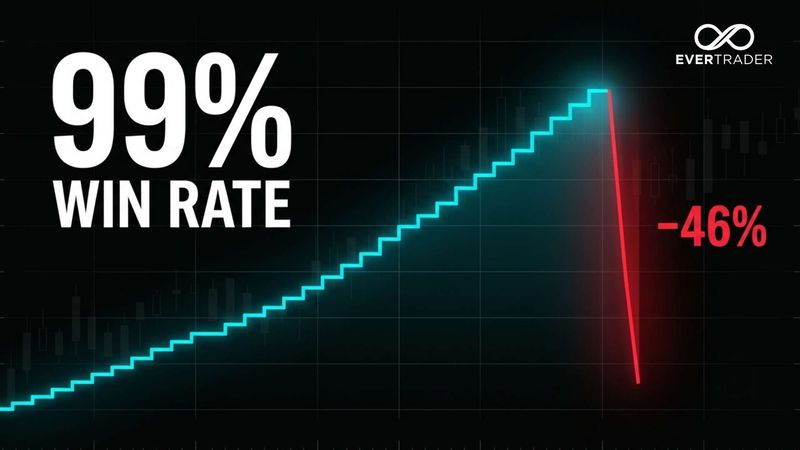
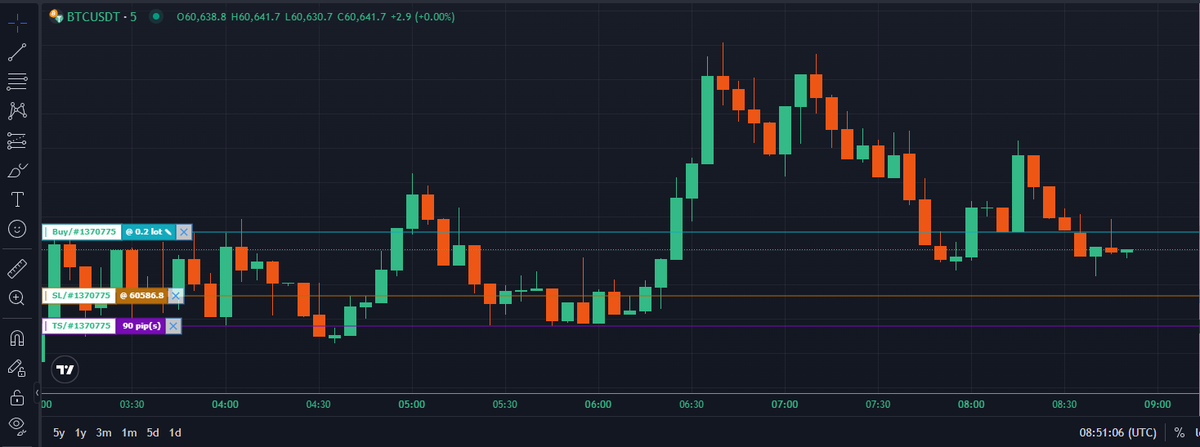
One of the most important tools for risk management is the Stop Loss. This order automatically closes a trade when it reaches a certain loss level. Ignoring Stop Loss can lead to significant losses. Setting Stop Loss correctly, such as at no more than 2% of the account, helps protect capital from unexpected market moves.
Estimating Potential Loss and Gain
Before opening a position, it’s important to estimate not only the potential profit but also the possible loss. A good practice is to maintain a risk-to-reward ratio of 1:3 or higher. This means for every potential $1 of loss, there should be a potential $3 gain. This approach helps ensure that a few losing trades won’t have a catastrophic impact on the overall capital.
How to Avoid Common Mistakes
- Averaging Down: Some traders try to reduce losses by averaging down the entry price during a drop. However, this strategy often leads to larger losses. It’s better to close a losing position and focus on new opportunities.
- Setting Realistic Goals and Controlling Emotions: Defining clear goals for each trading session, including expected profit and possible losses, is key. Time spent on the market should be limited to avoid obsessively monitoring and opening new positions after the first unsuccessful trade. Controlling emotions and maintaining discipline helps prevent rash decisions.
Tips for Effective Risk Management
- Educate Yourself on Risk Management: Stay informed and follow current trends and strategies.
- Use Stop Loss: Protect your trades from unexpected market moves.
- Take Profit to Secure Gains: Automatically close positions when a certain profit level is reached.
- Don’t Risk More Than You Can Afford to Lose: Keep individual trade risk at around 2% of the account.
- Have Realistic Profit Expectations: Set achievable goals and be ready to accept mistakes.
- Trading Strategies: Have a clear trading plan and stick to it.
- Be Prepared for the Worst: Have a plan for unforeseen situations.
- Control Your Emotions: Emotional traders often break their own rules and strategies.
Bonus Tip: Currency Correlation
Analyze currency correlations to better manage risk. Correlations show how changes in one currency pair reflect in another, which can help optimize trading strategies.

Effective risk management is the foundation of successful trading. Following these rules and tips will help you protect your capital and maximize profitability. Remember, the key to success is discipline, education, and careful planning for each trade.
Step into Successful Trading with EverTrader
If you don’t have enough capital to trade professionally, consider EverTrader’s program. Since 2021, we’ve provided opportunities to many now successful traders, through our tools like: Analyst app, Trading Journal, Academy and so on.
EverTrader offers Czech/English language support from 10 AM to 10 PM and an intuitive trading platform, EverStation Pro, integrated with TradingView. This platform provides top-tier analytical tools and educational materials to help you develop your skills. Join our global network of over 3,000+ satisfied traders and benefit from our fast payouts within 7 hours.
Choose a program that fits your needs, complete the Evaluation, and start trading for EverTrader. Trading is a skill that can be refined through practice and persistence. Start today and take your trading skills to the next level!