· By Kohout Jan
How to set the Risk-Reward Ratio correctly
Risk-Reward Ratio (RRR) – i.e. the ratio between risk and potential reward – is one of the most important, but at the same time most misunderstood concepts in trading. And if you’re trading with prop firm money, a properly set RRR can determine whether you get a payout… or end up under the loss limit.
In this article we will show:
- What exactly is RRR and why it’s not enough to have a high number
- How to set it up correctly according to your strategy and prop company rules
- And what common mistakes to avoid
What is RRR and why it matters
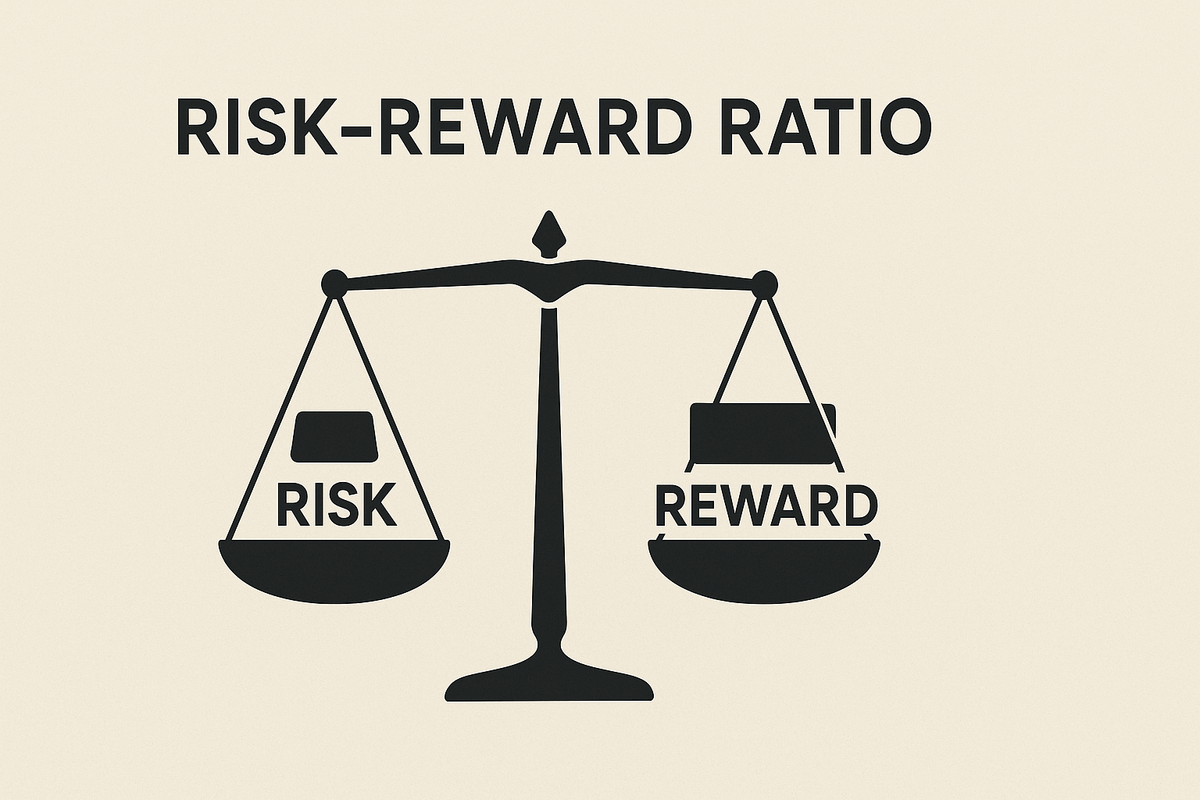
RRR measures how much you are willing to risk versus what you want to earn. Example: you risk $100 to earn $300 – that’s an RRR of 1:3.
Sounds great, but it’s not enough on its own.
You have to take into account win rate – the success rate of your trades.
- If you’re only winning 30% of the tradesyou need a higher RRR like 1:3 to stay in profit.
- But if you have 70% success rate…an RRR of 1:1 or 1:1.5 may be sufficient.
Long-term edge = win rate × RRR.
And it is in prop tradingwhere you work with strict limits (e.g. daily drawdown, maximum loss, profit target…), this balance is absolutely crucial.
How to set RRR in prop trading
- Do you know your trading style?
- Scalpers often work with a RRR of 1:1 or 1:1.2.
- Swing traders can aim for 1:2 or 1:3.
- Do you understand your win rate?
- For a 50% success rate, aim for an RRR of at least 1:1.5.
- With less than 40% success rate, you need an RRR of 1:3 or more.
- Respect the company’s prop limits
- For example, with a daily limit of 5%, each position should risk no more than 0.5-1% of the capital.
- Backtest and keep a diary
- Test different RRRs on historical data.
- Record each trade including RRR, result and notes.
- Plan RRR before you enter
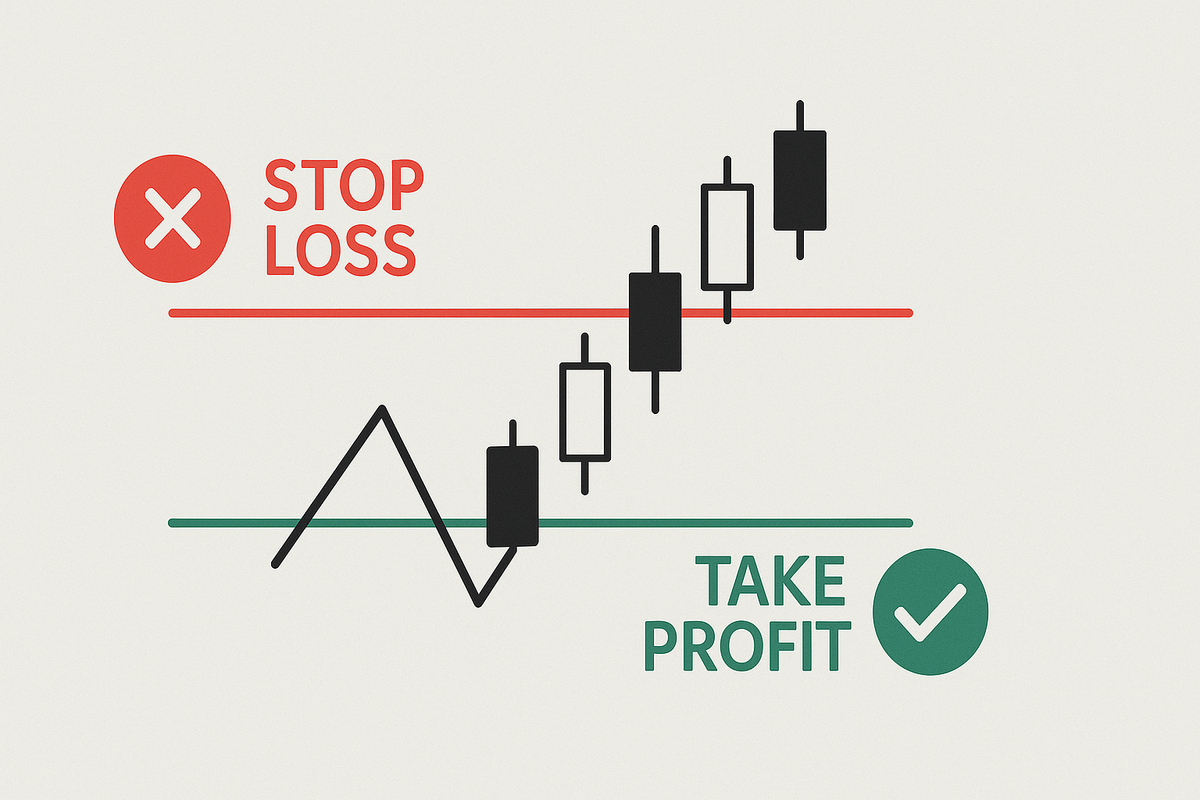
- Do not move the target or stop loses during the trade. Follow the plan.
The most common mistakes when setting RRR
- Targeting RRR 1:5 or 1:10 makes no sense – the price usually doesn’t get there.
- Wide stop loss “for sure” – unnecessarily increases the risk.
- Ignoring volatility – different markets = different behaviour. Gold ≠ EUR/USD.
- Changing your plan during a trade – when emotions get the better of you, you lose consistency.
Summary
RRR is not just a number. It’s a key component of a successful strategy – especially in prop trading. Getting it right will help you:
- Keep your account safe
- Achieve profit target
- And most importantly: be consistent
And if you’re trading with a prop firm, the right RRR may be just the thing to put you among the profitable traders.