· By Kohout Jan
What kills your consistency in trading?
Psychology of success in trading
Hello, and welcome to today’s article, where we’ll take a look at what’s behind the fact that most traders are inconsistent. And we might as well say one important thing – it’s not due to lack of knowledge or bad strategy. The real problem is often… in the head.

What does consistency in trading actually mean?
Consistency doesn’t mean you’ll make a profit every week. It means that you have a clear plan, follow it, follow the rules and make the right decisions regardless of the short-term outcome. A consistent trader is one who manages both wins and losses – without losing discipline.
Why is this so important? Because consistency is what leads to long-term profitability. Without it, trading is just an expensive hobby.

The most common mistakes that destroy consistency
1. Revenge trading – After a losing trade, you try to “get it back quickly”. Emotions take over and instead of a rational approach, the hunt for market revenge begins.
2. FOMO (fear of missing out) – You see the market move and you jump in late, without a valid signal. Just because “there must be something missing”.
3. Skipping strategies – Many traders never give their strategy a chance. Once a few losses come in, they immediately look for “something better”. But by doing so, they never gain a deeper understanding of the market or confidence in the plan.
How does our mind work under pressure?
Trading is not just a technical game – it’s a psychological battle. Fear of loss paralyses us or forces us to take profits prematurely. Greed, in turn, drives us into unnecessarily large positions or persistent trades.
Under pressure, our brains go into survival mode. And that’s when we often don’t act rationally. That’s why it’s so important conscious decision-making and working on your own mind-set.

Practical tips for maintaining consistency
- Daily routine – Start your day the same way. Market analysis, trade planning, mental setup. Routine = stability.
- Trading journal – Write your trades. Not just numbers, but also feelings, reasons for entry/exit, mindset. This will give you invaluable feedback.
- Feedback – Go through the stores each week looking for patterns. When did you break the plan? Why? What did you get out of it?
- Conscious decision making – Don’t trade on autopilot. Ask: Is this trade in line with my plan? Or am I being driven by ego/emotional pressure?
Conclusion
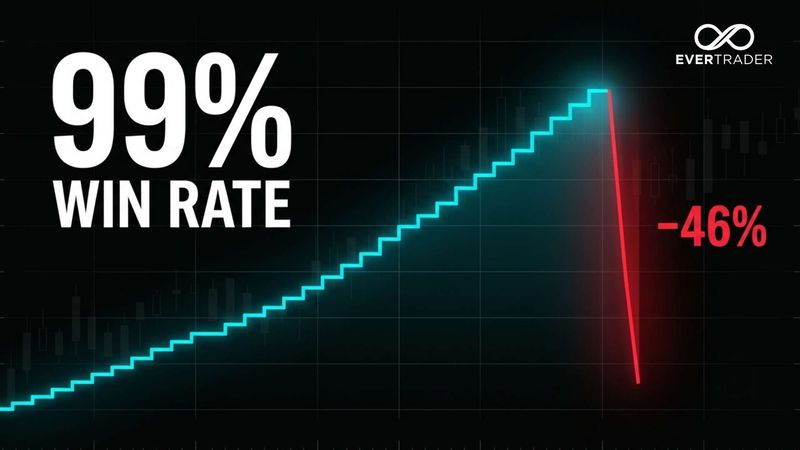
Consistency is not about a perfect win-rate. It’s about long-term discipline and the ability to stay in the game. If you create a stable environment and mindset, the results will come.
And if you are interested in the topic, we recommend you to check out another video about the daily routine of a trader – because that’s often where the real consistency begins.